


Homeownership can feel like a never-ending game of whack-a-mole. Just when you think you’ve fixed one issue, another pops up to remind you that your house is a living, breathing entity. To keep your home from turning into a horror movie set, a yearly home maintenance checklist is your best friend. Think of it as the ultimate to-do list that saves you from costly repairs and unexpected surprises.
Importance Of A Yearly Home Maintenance Checklist
A yearly home maintenance checklist acts as a preventive measure against potential issues that may arise in a home. This checklist helps identify problems early, such as leaks or electrical issues, which can lead to costly repairs if left unattended. Homeowners reduce the risk of unexpected expenses by regularly addressing maintenance tasks.
Regular maintenance enhances the overall safety of the home. For instance, checking smoke detectors and carbon monoxide alarms ensures they function correctly, potentially saving lives. Regular inspections of the HVAC system keep the air quality healthy and improve energy efficiency.
Additionally, a well-maintained home increases property value. Buyers often overlook homes needing significant repairs. They prefer houses without hidden problems, which highlights the checklist’s role in preserving and enhancing home equity.
Seasonal tasks listed in the checklist contribute to maintaining a comfortable living environment. Tasks like gutter cleaning, draining outdoor faucets, or servicing the lawn mower improve curb appeal and functionality. Each task completed offers immediate benefits and long-term protection.
Homeowners also experience peace of mind when they know they’ve taken proactive steps to maintain their property. This structured approach prevents the dread of unexpected emergencies and allows for better budgeting for home expenses.
Tracking maintenance activities creates a detailed record of repairs and services performed. Such records provide valuable information for future buyers and simplify the process of managing home maintenance. Frequent updates to the checklist align with changing seasons and specific home needs, making it a flexible tool for long-term home management.
Seasonal Maintenance Tasks
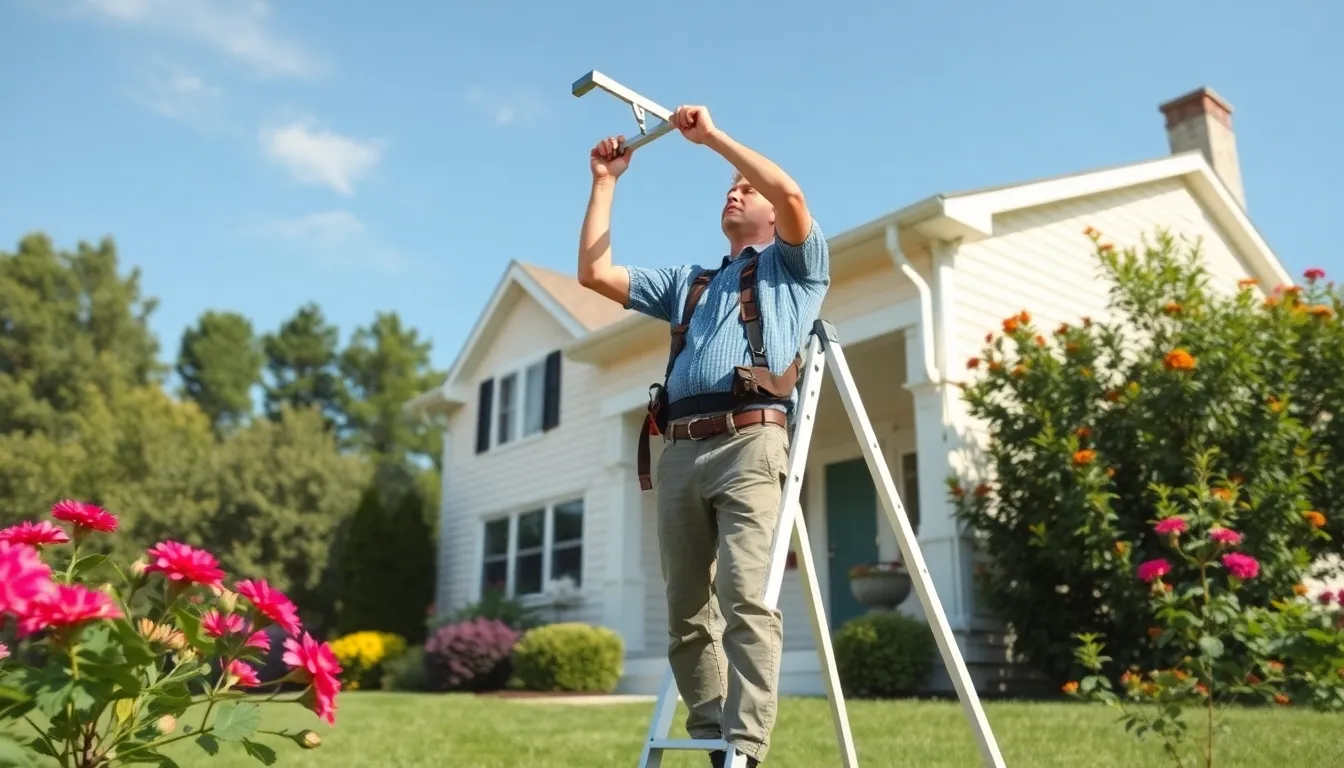

Seasonal maintenance tasks help homeowners uphold property value while ensuring safety and comfort. Each season presents unique challenges, making timely attention essential.
Spring Maintenance Tasks
Spring offers opportunities to spruce up the home after winter. Inspect gutters for debris and clogs that prevent water drainage, influencing roof health. Test smoke alarms to ensure they function properly, as functionality directly affects safety. Clean out air conditioning units to promote efficient cooling during warmer months. Fertilize lawn to rejuvenate grass growth, enhancing curb appeal for the season ahead.
Summer Maintenance Tasks
Summer maintenance focuses on outdoor spaces and energy efficiency. Examine siding for signs of wear or damage, directly impacting insulation. Check seals around windows and doors to prevent air leaks, which can elevate cooling costs. Trim trees and shrubs as necessary to maintain healthy growth and prevent accidents. Service the lawnmower to ensure efficient operation, as neglect can lead to performance issues.
Fall Maintenance Tasks
Fall is the perfect time to prepare the home for winter. Clean gutters to prevent ice dams and water damage, as buildup creates significant risk. Inspect the heating system to ensure reliable warmth throughout colder months. Test and replace furnace filters, which directly affects air quality and system efficiency. Seal any gaps in windows and doors to enhance insulation and reduce energy costs.
Winter Maintenance Tasks
Winter tasks focus on safety and protection from severe weather. Winterize outdoor faucets to prevent freezing and bursting pipes, which leads to costly repairs. Check the insulation in the attic and basement to maintain energy efficiency, minimizing utility bills. Inspect chimneys for blockages to ensure safe operation of heating systems. Test smoke detectors and carbon monoxide alarms, as they provide critical early warning in emergencies.
Key Areas To Focus On
Homeowners should prioritize several key areas during their yearly maintenance routine to ensure optimal safety and efficiency. These focus areas include roof inspection, HVAC system maintenance, plumbing checks, and electrical system evaluations.
Roof and Gutters
Inspecting the roof annually is essential for identifying any wear or damage. Look for missing or broken shingles that may cause leaks. Cleaning out gutters prevents water buildup, which can lead to roof rot or foundation issues. Ensuring downspouts direct water away from the home protects landscaping and mitigates erosion. Addressing these concerns early can save significant repair costs down the line.
HVAC System
Regular maintenance of the HVAC system enhances energy efficiency and prolongs its lifespan. Start by replacing air filters every three months to maintain airflow and indoor air quality. Scheduling a professional inspection each year ensures that heating and cooling systems operate smoothly. Check ductwork for any leaks, as even small gaps can decrease efficiency. Finally, cleaning condenser coils helps prevent system overworking, reducing energy bills.
Plumbing
Inspecting plumbing systems yearly prevents major leaks and water damage. Begin by checking for visible leaks under sinks, around toilets, and in exposed pipes. Flushing the water heater removes sediment buildup, enhancing performance and longevity. Testing water pressure can reveal potential issues, such as clogs or corroded pipes. Lastly, ensuring that all drains are clear helps maintain a steady flow and prevents backups.
Electrical Systems
Evaluating electrical systems regularly ensures safety and functionality. Look for signs of damage, like frayed wires or burned-out outlets. Test circuit breakers and replace any that no longer function properly. Inspecting all smoke detectors and carbon monoxide alarms guarantees they’re operational when needed most. Lastly, employing the services of a qualified electrician for routine inspections helps identify hidden issues before they escalate.
Tools And Supplies Needed
Home maintenance requires specific tools and supplies. Gather essential items to ensure effective inspections and repairs.
- Basic Toolkit: Include a hammer, screwdrivers, pliers, and wrenches for handling a variety of repairs around the home.
- Ladder: Use a sturdy ladder for accessing roofs and gutters safely. Ensure it supports the weight required for your tasks.
- Power Tools: Invest in a drill and saw for larger projects. These tools simplify tasks like installing shelves or repairing fixtures.
- Cleaning Supplies: Stock up on a broom, dustpan, and microfiber cloths for regular cleaning. Cleaning also involves specific products like degreasers and disinfectants.
- Safety Gear: Wear gloves, goggles, and a mask while doing maintenance. This gear protects from debris and hazardous materials.
- Plant Care Items: For outdoor maintenance, include a rake, shovel, and pruning shears. These tools ensure the garden remains well-kept.
- Measuring Tools: Use a tape measure and level to guarantee accurate installations and repairs. Precision helps avoid costly mistakes.
- Inspection Tools: Keep a flashlight and moisture meter handy. A flashlight aids in seeing into dark spaces, while a moisture meter helps identify leaks.
- Cords and Strippers: For electrical checks, have electrical tapes and wire strippers available. These tools help with minor electrical repairs and evaluations.
- Seasonal Supplies: Collect snow shovels and de-icing salt for winter preparation. Seasonal items ensure readiness for weather changes.
Each of these tools and supplies plays a vital role in maintaining a safe and efficient home. Effective preventive maintenance, such as using appropriate equipment, directly contributes to reduced repairs and enhanced property value.
A yearly home maintenance checklist is more than just a list; it’s a homeowner’s best friend. By staying proactive with seasonal tasks and key inspections, homeowners can prevent minor issues from escalating into costly repairs. This routine not only enhances safety and comfort but also protects property value.
Equipped with the right tools and knowledge, they can tackle maintenance challenges confidently. Keeping detailed records of maintenance activities simplifies future management and provides valuable insights for potential buyers. Embracing this approach leads to a well-maintained home and peace of mind throughout the year.


