Navigating the world of hormone replacement therapy can feel like trying to find a needle in a haystack—if that needle were a magical solution to those pesky menopause symptoms. With options like patches and gels, it’s like choosing between a cozy blanket and a sleek superhero cape. Both promise relief, but which one truly delivers the goods?
Overview of HRT Options
Hormone replacement therapy (HRT) offers various options for alleviating menopause symptoms. Available methods include patches and gels, each with unique attributes. Patches typically adhere to the skin, providing a steady release of hormones. These patches simplify the delivery process, as users change them weekly or bi-weekly.
Gels, on the other hand, require daily application. Their application involves rubbing the gel onto the skin, ensuring thorough absorption. Many individuals appreciate gels for their flexibility and fast-acting results. One must consider that gels may present a risk of transferring hormones to others through skin contact.
Efficacy in symptom relief can vary by the method chosen. Research shows patches might provide more stable hormone levels over time, leading to fewer fluctuations in symptoms. Conversely, gels often work quickly, making them appealing for immediate relief.
Safety profiles also differ between options. Patches often come with a lower risk of blood clots compared to oral HRT. Gels, while effective, might not be suitable for those with certain medical conditions, highlighting the need for personalized assessments.
Choosing between patches and gels often depends on personal preferences and lifestyle considerations. Users should consult healthcare professionals to evaluate which option aligns with their health needs. Each delivery method holds distinct advantages, making informed decision-making crucial.
Understanding HRT Patches
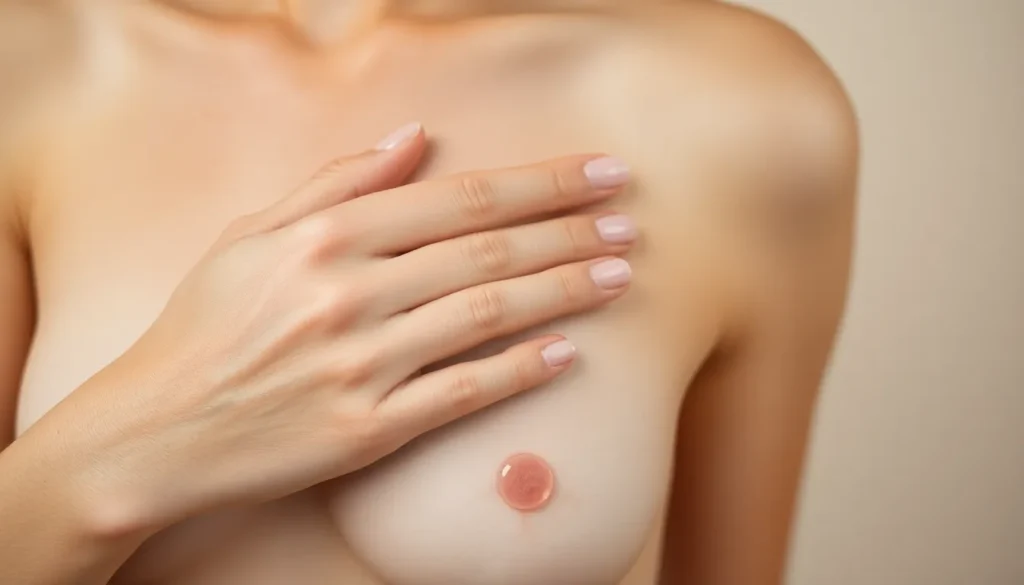
HRT patches provide a unique method for administering hormone replacement therapy. These patches adhere directly to the skin and release hormones steadily over time.
Benefits of HRT Patches
One significant benefit of HRT patches is the convenience of weekly or bi-weekly application. Users appreciate the steady hormone release, which minimizes fluctuations in hormone levels. Stability can lead to reduced menopausal symptom intensity. Additionally, patches reduce the risk of gastrointestinal side effects often associated with oral HRT. Ease of use benefits those who prefer not to mess with daily routines. Patches also lower the likelihood of hormone transfer, ensuring that users can interact without worry.
Drawbacks of HRT Patches
While HRT patches offer benefits, some drawbacks exist. Skin irritation can occur at the application site for certain individuals. Limited absorption rates may not suit everyone, particularly those with higher hormone needs. Moreover, patches require careful placement to ensure optimal hormone delivery. People with sensitive skin may experience difficulties when using patches. Lastly, availability might vary depending on geographic location, limiting options for some users.
Exploring HRT Gels
HRT gels offer a unique method for hormone replacement therapy, appealing to many users. Their formulation allows for quick absorption into the bloodstream.
Benefits of HRT Gels
HRT gels provide rapid relief from menopause symptoms due to their fast-acting nature. Flexibility stands out as a significant advantage; users can easily adjust doses based on individual needs. They typically minimize gastrointestinal issues associated with oral medications, enhancing comfort. Furthermore, these gels often have fewer side effects, making them a favorable option for many. Users can apply gels to different body areas, potentially avoiding skin irritation experienced with patches. Overall, HRT gels can deliver tailored hormone therapy solutions for those seeking effective relief.
Drawbacks of HRT Gels
While HRT gels present benefits, certain drawbacks exist. Hormone transfer through skin contact poses a notable concern, especially for individuals with children or pets at home. Daily application can also become cumbersome for some, requiring a consistent routine. Lack of stability in hormone levels compared to patches may lead to fluctuations in symptom relief. Furthermore, those with specific medical conditions might find gels unsuitable, limiting their options. Skin sensitivity or allergic reactions can occur, affecting overall satisfaction. Users should carefully weigh these aspects when considering HRT gels for hormone replacement therapy.
Comparing Efficacy and User Experience
Effectiveness in symptom relief varies between HRT patches and gels. Research shows patches may stabilize hormone levels, reducing symptom fluctuations. Gels, however, provide rapid relief and are favored for their quick absorption.
User experiences with patches highlight their steady hormone release. Patients often appreciate the convenience of changing patches weekly or bi-weekly. Skin irritation can occur but is generally manageable. Careful placement of patches is crucial to ensure optimal absorption.
In contrast, gels allow for personalized dosing. Many users enjoy the flexibility of adjusting their application based on symptoms. Daily application can become tedious for some, complicating adherence to the regimen. There’s also an increased risk of hormone transfer, making caution essential for those around others.
Safety considerations further influence user choice. Patches exhibit a lower risk of blood clots compared to oral HRT. Individuals with certain medical conditions might find gels unsuitable due to their absorption profiles. Consulting healthcare professionals ensures users select the most appropriate option.
When weighing efficacy and user experience, personal preferences come into play. Some prioritize the steady relief offered by patches. Others may opt for the immediate effects provided by gels. Each method presents distinct advantages and challenges, emphasizing the need for tailored solutions.
Choosing between HRT patches and gels ultimately hinges on individual preferences and lifestyle. Patches offer a steady release of hormones with less frequent application while gels provide quick relief and flexibility. Each method has its own set of advantages and potential drawbacks.
It’s essential for individuals to weigh these factors carefully. Consulting with a healthcare professional can provide valuable insights tailored to personal health needs. By understanding the unique characteristics of each option, users can make informed decisions that enhance their quality of life during menopause.