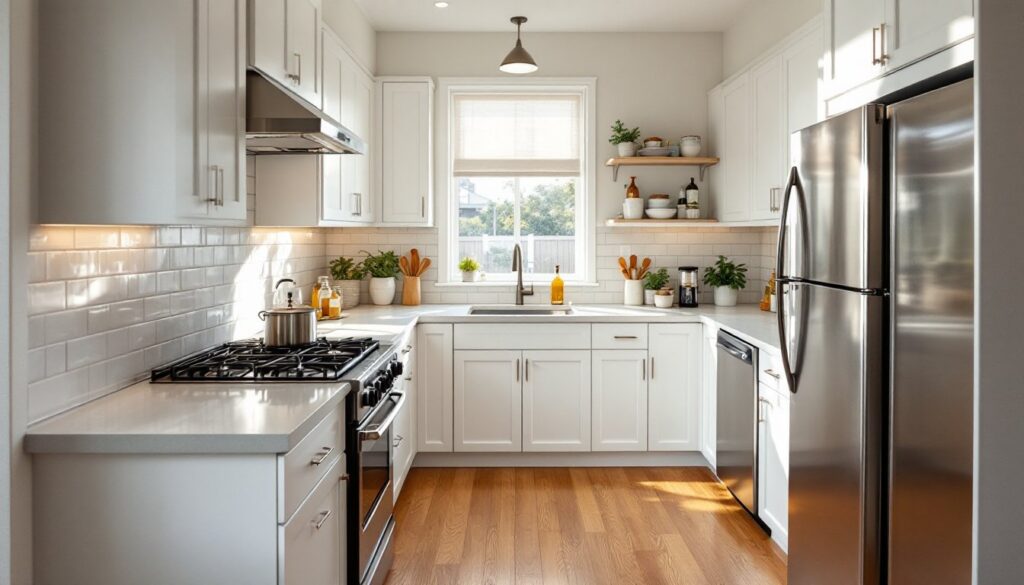
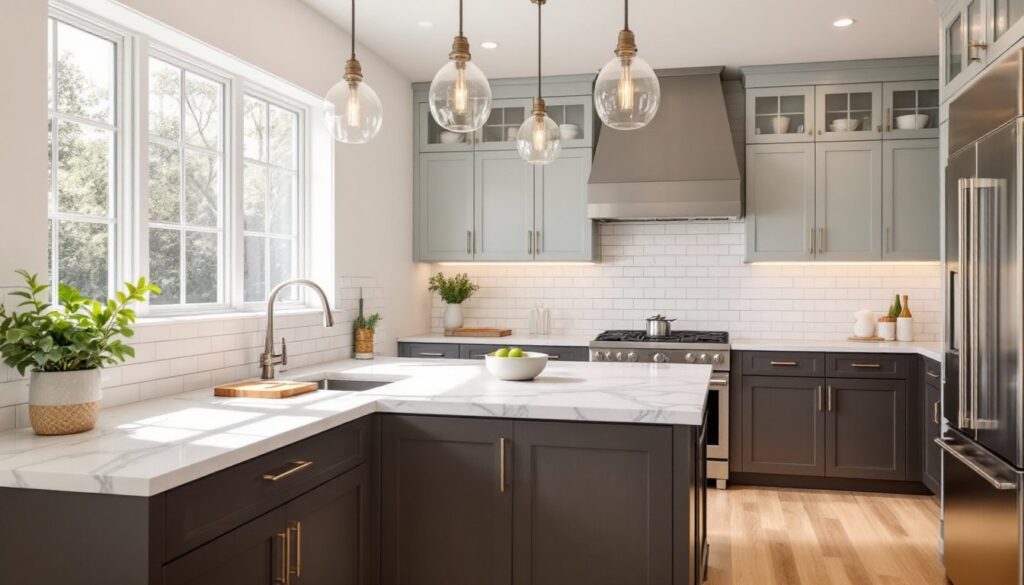
A well-designed kitchen isn’t just a place to whip up gourmet meals; it’s the heart of the home where culinary magic happens. Whether you’re a master chef or a microwave magician, the right kitchen layout can elevate your cooking game from “eh” to “wow.” Imagine gliding effortlessly between the stove, sink, and fridge while dodging that pesky dog underfoot.
Importance Of Kitchen Layout
A well-planned kitchen layout enhances functionality, boosting culinary efficiency. Efficient workflows allow for seamless movement between essential areas like the stove, refrigerator, and sink. Poorly organized designs lead to frustration, hampering cooking experiences.
Creative layouts like the work triangle optimize space, making it easier to manage tasks. Clear zones for food preparation, cooking, and cleaning simplify activities, enabling cooks to focus more on their culinary creations. Proper layout also increases safety, reducing potential hazards when moving around the kitchen.
Space management proves crucial for storage and equipment accessibility. Well-placed cabinets and counters promote organization, ensuring tools like knives, pots, and pans are readily available. A thoughtful layout can even accommodate multiple cooks, enhancing collaborative cooking experiences.
Effective kitchen designs include ample counter space, facilitating meal preparation and presentation. Incorporating islands or additional surfaces expands work areas, allowing for multitasking. Effective lighting features highlight work zones, guaranteeing visibility while cooking.
Ultimately, an ideal kitchen layout fosters creativity and enjoyment in meal preparation, making it a vital aspect of home design. Prioritizing this element can transform cooking from a mere task into an engaging experience. Investing time and resources into thoughtful planning significantly enhances daily kitchen activities.
Key Principles Of Kitchen Design
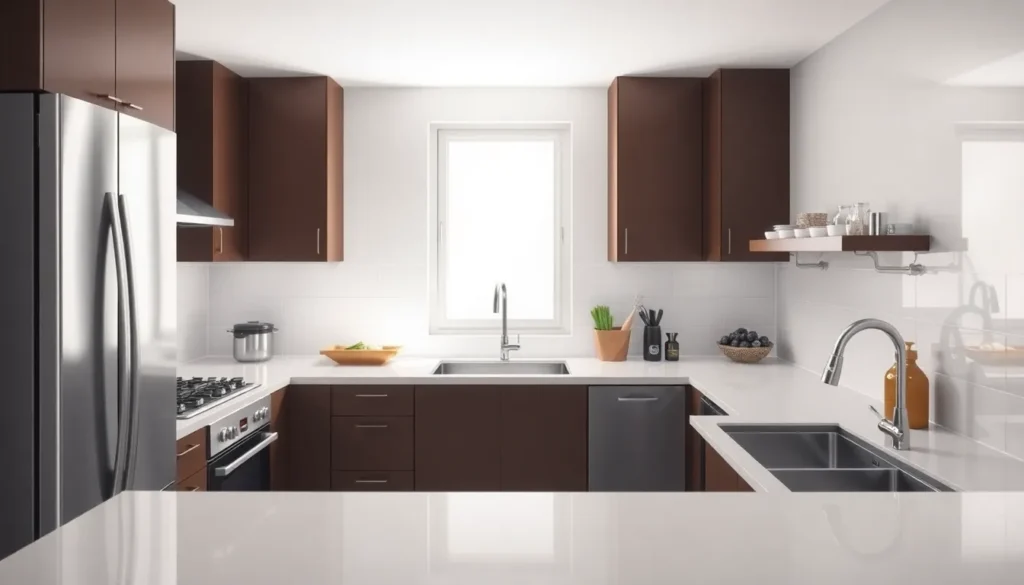
A well-designed kitchen incorporates essential principles that maximize functionality and enhance the cooking experience. Successful layouts prioritize efficiency and flow, making it easier to navigate the space.
Work Triangle Concept
The work triangle concept focuses on the relationship between the stove, refrigerator, and sink. This arrangement minimizes movement while maximizing efficiency. An ideal triangle typically measures between 12 and 26 feet for optimal functionality. Each leg of the triangle should be free of obstruction to facilitate smooth transitions. Kitchen designers often recommend keeping the triangle’s distance balanced to avoid excessive walking during meal preparation.
Zones For Cooking, Prep, And Cleaning
Designating specific zones for cooking, prep, and cleaning improves organization and productivity. The cooking zone centers around the stove and adjacent utensils. A prep zone should include ample counter space, cutting boards, and knives, making it easy to assemble ingredients. The cleaning zone, featuring the sink and dishwasher, enhances efficiency by keeping dirty dishes separate from meal preparation. Clearly defined zones create a harmonious workflow, allowing multiple cooks to collaborate without chaos. Planning for these zones ensures that daily kitchen activities progress smoothly and efficiently.
Popular Kitchen Layouts
Different kitchen layouts offer unique advantages and cater to various needs. Each design supports efficiency and functionality while maximizing available space.
L-Shaped Kitchen
An L-shaped kitchen features two adjoining walls that form an “L” shape. This layout promotes an open feel, creating ample space for movement. Often used in smaller homes, it allows for the incorporation of an island or breakfast nook. With clear zones for cooking, prepping, and cleaning, cooks can navigate easily. Additionally, including windows enhances natural light, making this layout inviting and bright.
U-Shaped Kitchen
A U-shaped kitchen utilizes three walls of cabinetry and counters, forming a “U” shape. This efficient design maximizes storage while offering considerable workspace. Cooks benefit from the easy access to appliances and sink, simplifying meal preparation. Often suitable for larger kitchens, this layout allows for multiple culinary tasks at once. The U-shape also provides opportunities for seating, creating a social hub within the home.
Galley Kitchen
Galley kitchens feature two parallel walls, creating a narrow and efficient cooking space. This layout focuses on functionality and ease of movement. Ideal for smaller homes or apartments, it allows for everything within arm’s reach. By placing appliances and work zones strategically, cooks can maintain productivity even in tight spaces. Incorporating open shelving can enhance accessibility and create a visually appealing environment.
Open Concept Kitchen
Open concept kitchens blend seamlessly with living or dining areas, promoting a spacious atmosphere. This layout encourages interaction, making it perfect for gatherings and entertaining guests. While cooking, individuals can engage with others throughout the space. Design flexibility enables various configurations for islands or counters, enhancing work zones. Effective use of furniture and decor solidifies the design aesthetic while maintaining functionality.
Space Optimization Techniques
Creating an efficient kitchen layout involves effective space optimization strategies. Properly utilizing available space enhances functionality and ensures a seamless cooking experience.
Smart Storage Solutions
Utilizing vertical space significantly increases storage options. Wall-mounted shelves allow easy access to rarely used items, while cabinetry can accommodate appliances and pantry supplies. Pull-out drawers within cabinets ensure better organization and visibility of smaller items. Install racks and hooks to free up counter space and maintain an uncluttered environment. Consider incorporating multi-functional furniture that combines storage and workspace. Utilizing the insides of cabinet doors for spice racks can maximize every square inch. Prioritizing these smart storage solutions ensures everything is within reach, enhancing efficiency.
Incorporating Kitchen Islands
Adding a kitchen island promotes cooking efficiency and social interaction. An island serves as additional counter space for meal preparation and can accommodate seating for casual dining. Positioning the island strategically improves workflow by connecting essential zones. Opting for a mobile island provides flexibility, allowing for reconfiguration based on specific tasks or gatherings. Including built-in storage within the island offers further optimization opportunities without sacrificing space. Prioritizing an island creates a central gathering point, making meal prep a more enjoyable experience.
A thoughtfully designed kitchen layout can transform cooking into a delightful experience. By prioritizing functionality and efficiency, homeowners can create spaces that inspire creativity and enhance daily activities. Implementing the work triangle and clearly defined zones fosters a smooth workflow, allowing cooks to focus on their culinary passions without distractions.
Smart storage solutions and strategic space optimization further elevate the kitchen’s usability. Whether opting for an L-shaped, U-shaped, galley, or open concept layout, each design choice plays a crucial role in maximizing efficiency. Ultimately, investing time in planning the kitchen layout will lead to a more enjoyable and productive cooking environment, making it the heart of the home.